



Over the past few years, cold exposure has evolved from a niche recovery method into a mainstream practice in health and fitness. More people are experimenting with ice baths, cold showers, and even integrating cold exposure into their daily routines.
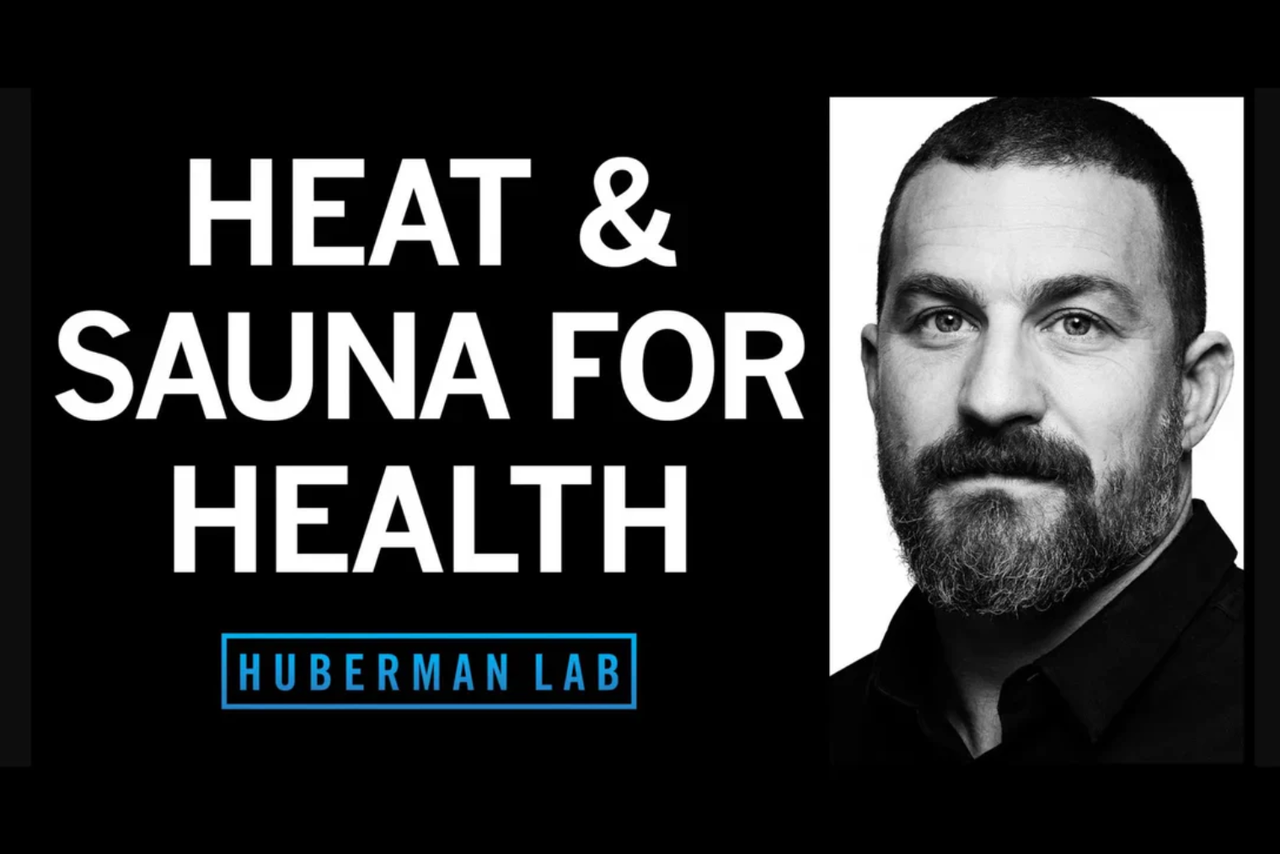
Thanks to Stanford neuroscientist Andrew Huberman’s in-depth explanation of the mechanisms behind cold exposure, we can now understand it from a neuroscience and physiology perspective. It’s not about “pushing your limits”—it’s a tool. A controllable, repeatable form of stress that, when used correctly, can influence both your body and your brain.
If you don’t have time to sit through a three-hour podcast, here’s a clear breakdown of the core protocol and what cold exposure actually does for you.
How Cold Should an Ice Bath Be?
It’s not about going colder—it’s about staying consistent.
For most beginners, the goal isn’t extreme temperatures. It’s finding a level you can stick with long-term.
A practical guideline from Andrew Huberman:
Set the temperature to a point where it feels uncomfortable (you want to get out), but is still safe.
This range varies by individual:
- Around 15°C (60°F): Ideal for beginners
- Around 7–10°C (45–50°F): More challenging
More importantly, the colder the water, the less time you need.
Research shows:
- Staying in water at ~15°C (60°F) for a longer duration can significantly increase dopamine levels, leading to sustained mood improvement
- At near 4°C (40°F), just 20 seconds is enough to trigger a strong adrenaline response
That’s why many people experience a sharp sense of clarity after an ice bath. This isn’t coming from external stimulation—it’s driven by your body’s internal neurochemical response.
Cold exposure isn’t about enduring pain. It’s about using short-term discomfort to activate your nervous system more efficiently.
Why Cold Exposure Improves Mood and Focus
Among all its benefits, the impact on mood and cognitive function may be the most powerful.
According to Andrew Huberman, cold exposure can significantly increase dopamine levels—and more importantly, the effect lasts.
This stands in contrast to common stimulants like caffeine, sugar, or short-form content, which spike quickly and crash just as fast. Cold exposure creates a slower, more sustained rise in dopamine.
This means:
- You feel more alert in the short term
- You maintain focus and emotional stability for longer periods
From this perspective, cold exposure isn’t just physical training—it’s a tool for regulating brain state.
Discomfort Is the Training
Beyond metabolism and recovery, the deeper value of cold exposure is psychological.
Almost everyone who tries an ice bath experiences the same moment: shortly after entering the water, your brain tells you to get out. This reaction isn’t weakness—it’s a built-in survival mechanism.
But that moment is where the real training begins.
Andrew Huberman refers to this as “top-down control.” When you choose to stay in the discomfort instead of immediately reacting, you strengthen your brain’s ability to regulate instinctive responses.
Over time, this ability carries over into daily life:
- Staying calm under pressure
- Delaying the urge to quit when things get hard
- Maintaining focus when distractions appear
Cold exposure isn’t just about adapting to cold—it’s a repeatable way to train mental resilience.
Huberman’s Recommended Protocol
- Aim for a total of ~11 minutes per week, spread across 2–4 sessions
- Each session: 1–5 minutes, depending on temperature
- If doing contrast therapy (hot + cold), always end with cold
- Avoid towel drying—let your body warm up naturally to boost metabolic response
- Ideally, do cold exposure early in the morning
- Avoid ice baths right before bed, as elevated adrenaline may disrupt sleep
Final Thoughts
Cold exposure doesn’t just change your physical state—it changes how you respond to discomfort.
When you learn to stay calm and in control during short periods of stress, that ability begins to transfer into other areas of life—whether it’s work, training, or decision-making.
Seen this way, cold exposure isn’t just a wellness practice. It’s a skill you can build over time.


Leave a comment
All comments are moderated before being published.
This site is protected by hCaptcha and the hCaptcha Privacy Policy and Terms of Service apply.